

Is Eating Fat Healthy?
Fat is an important nutrient that your body needs to stay healthy and function properly. It is an important part of a healthy diet. It provides energy, helps to absorb vitamins, and protects your organs. However, too much fat can be harmful to your health.
There are three types of fat: saturated fat, monounsaturated fat, and polyunsaturated fat.
- Saturated fat is found in animal products, such as meat, poultry, coconut oil, and dairy products.
- Monounsaturated fat is found in plant-based oils, fruits, nuts, and seeds, such as olive oil, avocado oil, canola oil, avocados, and almonds.
- Polyunsaturated fat may be found in fish, seeds, plant-based oils, seeds, and animal-based products such as salmon, sardines, tuna, chia seeds, fortified eggs.
Saturated fat and trans-fat are unhealthy fats. They can increase your risk of heart disease, stroke, and other health problems. Trans fat is a type of saturated fat that is created when liquid oils are turned into solid fats, such as shortening and margarine. Trans fat is found in many processed foods, such as cookies, crackers, and baked goods.
Monounsaturated fat and polyunsaturated fats named this due to having one or more double bonds in their chemical structure are healthy fats. They can help to lower your risk of heart disease and stroke, because they can help lower LDL (bad) cholesterol and raise HDL (good) cholesterol. They can also help reduce inflammation and improve heart health.
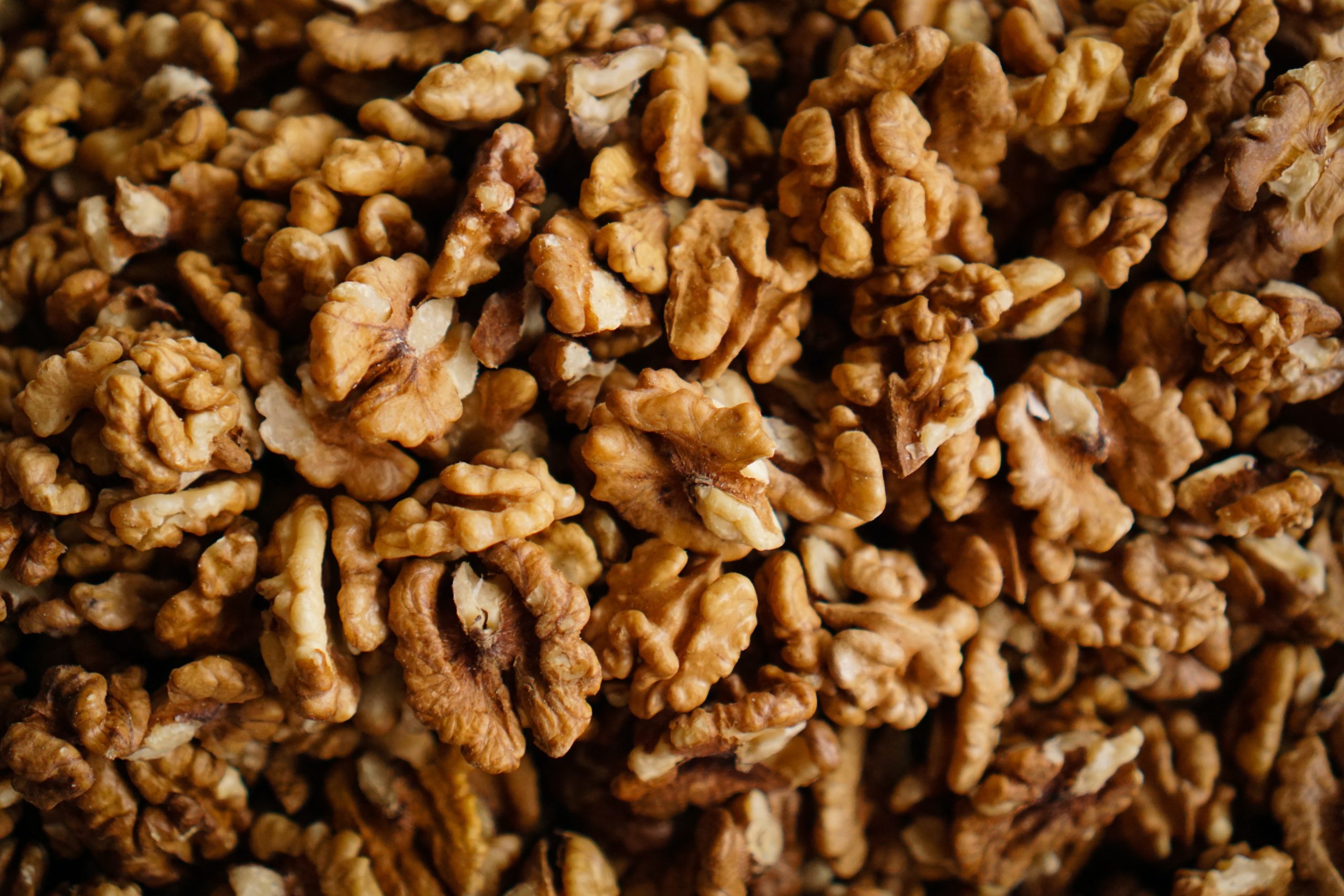


Monounsaturated fat is the most abundant type of fat in the Mediterranean diet, which is one of the healthiest diets in the world. Polyunsaturated fat is found in many plant-based foods, such as nuts, seeds, and fish.
Both monounsaturated and polyunsaturated fats are important for good health. However, polyunsaturated fats are considered to be slightly healthier than monounsaturated fats because they contain more omega-3 fatty acids.
Omega-3 fatty acids are essential fatty acids, which means that the body cannot produce them on its own. They must be obtained from the diet. Omega-3 fatty acids have been shown to have several health benefits, including reducing the risk of heart disease, stroke, and cancer.
It is important to get a balance of monounsaturated and polyunsaturated fats in your diet.
American Heart Association Daily Fat Recommendation
The American Heart Association recommends that adults get 20% to 35% of their daily calories from fat. According to the American Heart Association (AHA) article on saturated fats, they recommend that adults consume no more than – 6% of their daily calories from saturated fat and no more than 1% of their daily calories from trans fat (Remig et al., 2010). Whereas the dietary guidelines state that the total saturated fat intake needs to be less than 10% (U.S. Department of Agriculture, 2020).
So, which one should you follow? We can help you determine which one is right for you. Feel free to reach out to one of our certified nutrition coaches to get started today.
You can help to reduce your intake of unhealthy fats by choosing lean meats, low-fat dairy products, and plant-based oils. You can also help to increase your intake of healthy fats by eating nuts, seeds, and fish.
Some examples of healthy fats include:
Oils:
- Olive oil
- Avocado oil
- Peanut oil
- Flaxseed oil
- Fish oil
Nuts:
- Walnuts
- Almonds
- Peanuts
- Cashews
- Pistachios
Fruit:
- Avocados
Seeds:
- Pumpkin seeds
- Sunflower seeds
Simple Ways to Increase Healthy Fat in Diet
Still looking for more simple ways to increase the healthy fat in your diet? Here are some tips for incorporating more monounsaturated and polyunsaturated fats into your diet:
Disclosure: Some of the links are affiliate links. This means that, at zero cost to you, we will earn an affiliate commission if you click through the link and finalize a purchase.
References
Dietary fats. (2021, November 2). www.heart.org. https://www.heart.org/en/healthy-living/healthy-eating/eat-smart/fats/dietary-fats
Do fats make you fat? (2022, September 23). Cleveland Clinic. https://health.clevelandclinic.org/all-about-fats-why-you-need-them-in-your-diet/
Learn the facts about fat. (2021, April 8). Mayo Clinic. https://www.mayoclinic.org/healthy-lifestyle/nutrition-and-healthy-eating/in-depth/fat/art-20045550
Saturated Fat. (2021, November 2). www.heart.org. https://www.heart.org/en/healthy-living/healthy-eating/eat-smart/fats/saturated-fats
Remig, V., Franklin, B., Margolis, S., Kostas, G., Nece, T., & Street, J. C. (2010, April 11). Trans fats in America: a review of their use, consumption, health implications, and regulation. PubMed. Retrieved June 15, 2023, from https://pubmed.ncbi.nlm.nih.gov/20338284/
U.S. Department of Agriculture. (2020, December). Dietary Guidelines for Americans 2020 – 2025. https://www.dietaryguidelines.gov/sites/default/files/2020-12/Dietary_Guidelines_for_Americans_2020-2025.pdf